See sunrise at Nagarkot, explore Pokhara, visit Lumbini and enjoy a jungle safari in Chitwan on a 10-day tour starting and ending in Kathmandu.
| Hotel category | Indian nationals | Foreign nationals |
|---|---|---|
| 3-star deluxe | INR 35,000 | USD 1,300 |
| 5-star deluxe | INR 42,000 | USD 1,600 |
Pashupatinath Temple (पशुपतिनाथ मन्दिर)
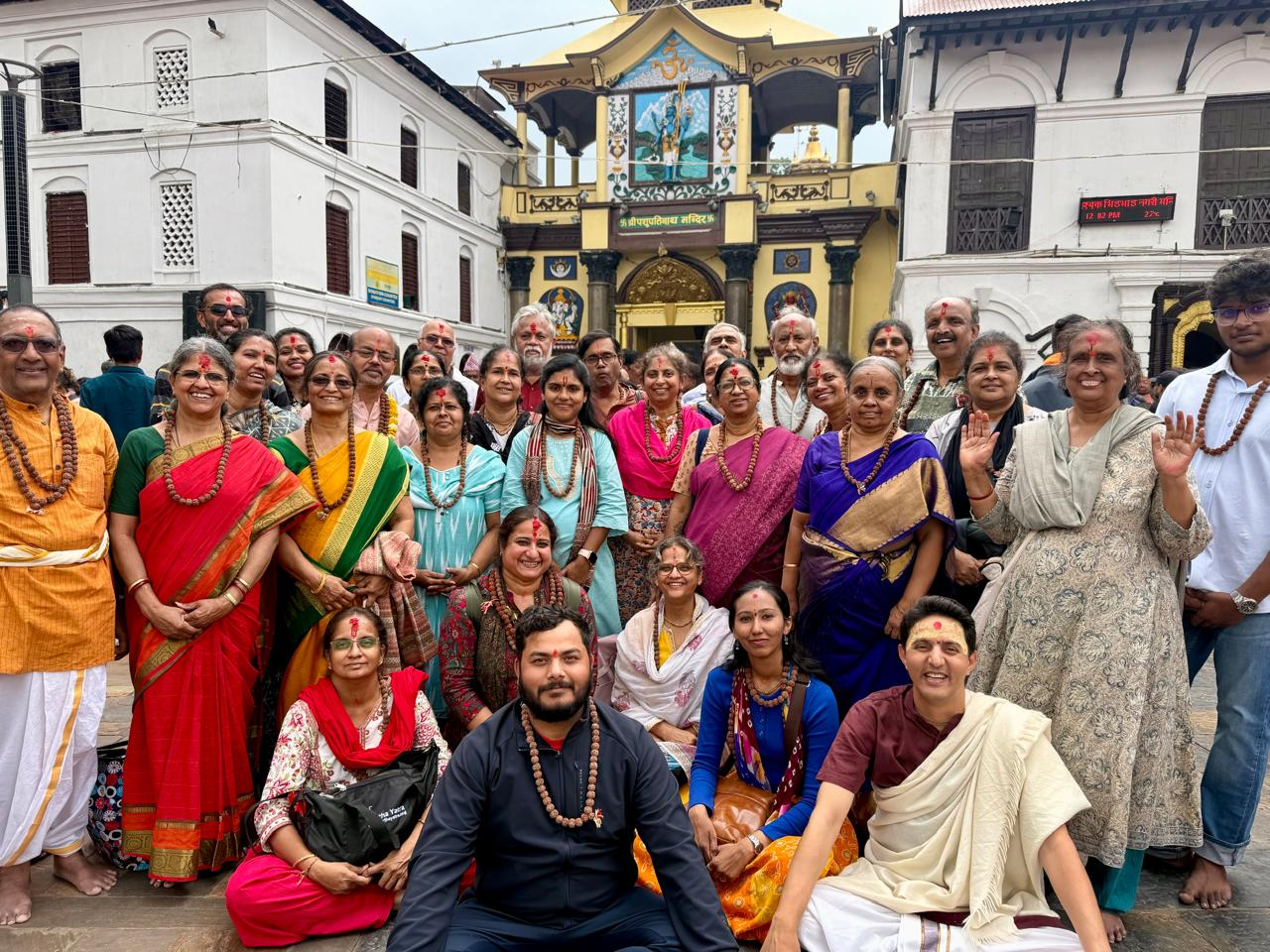
About 5 km east of central Kathmandu, Pashupatinath is one of the most revered Hindu shrines dedicated to Lord Shiva. Thousands of pilgrims and visitors come each year. Its two-tiered pagoda has golden roofs and four silver doors enclosing the sacred linga of Shiva. Chronicles trace the temple to before 400 CE. Pashupatinath is part of the Kathmandu Valley UNESCO World Heritage Site.
Guhyeshwari Temple (गुह्येश्वरी मन्दिर)
Also called Guheswari, this shrine to Adi Shakti stands near Pashupatinath on the banks of the Bagmati River. It is revered as a Shakti Peetha. According to Hindu tradition, part of Sati Devi’s body fell here as Shiva carried her across the earth after her self-immolation.
Budhanilkantha — Jal Narayan (बुढानीलकण्ठ)
At the foot of the Shivapuri hills, about 8 km north of central Kathmandu, a large granite statue of Vishnu reclines on a bed of serpents called nagas. Viewed across the pond, the figure seems to float. The shrine is traditionally dated to the fifth century.
Boudhanath Stupa (बौद्धनाथ स्तूप)
About 7 km east of central Kathmandu, Boudhanath, also known as Khasti Chaitya, is Nepal’s largest stupa and one of its oldest. Colourfully painted monasteries surround this Buddhist pilgrimage site, part of the Kathmandu Valley UNESCO World Heritage Site. Nepalese chronicles date the stupa to the reign of King Mānadeva (464–505 CE).
Swayambhunath Stupa (स्वयम्भूनाथ)
This Buddhist shrine stands on a hill about 3 km west of Kathmandu and overlooks the city. The 15th-century Swayambhu Purana tells of a lotus planted by a past Buddha in the lake that once covered the valley. The lotus blossomed and radiated light, drawing saints, sages and divinities seeking enlightenment. The name Swayambhu means “self-created” or “self-existent.” The hill is also home to Shantipur, the Palace of Peace. Swayambhunath belongs to the Kathmandu Valley UNESCO World Heritage Site.
Kathmandu Durbar Square
This UNESCO-listed palace square has served as a royal site since the Licchavi period, traditionally traced to the third century. Its Malla and Shah palaces open onto courtyards and temples. The statue of Hanuman, a devotee of Rama, at the palace entrance gives Hanuman Dhoka its name. The square is associated with the living goddess Kumari. Landmarks include Kasthamandap, Ashok Binayak, Kaal Bhairav, Jagannath Temple, Kotilingeshwar Mahadev, Mahendreshwar and the three-roofed Taleju Temple.
Bhaktapur Durbar Square (भक्तपुर)
Bhaktapur, also called Bhadgaon, lies 13 km east of Kathmandu. Its Durbar Square is part of the Kathmandu Valley UNESCO World Heritage Site. The wider historic area includes Durbar, Taumadhi, Dattatreya and Pottery squares. Landmarks include the 55-Window Palace, the Golden Gate, the Lion’s Gate, Mini Pashupati, Batsala Temple and the statue of Bhupatindra Malla.
Patan Durbar Square (पाटन)
At the heart of Lalitpur, this UNESCO-listed square is known for the carvings and Newar architecture of its palaces and shrines. King Siddhi Narasimha Malla built its Shikhara-style Krishna Temple in 1637. Beneath its 21 golden pinnacles are three storeys. The first houses Krishna with Radha and Rukmini, the second is dedicated to Shiva, and the third to Lokeshwor.
Other sights include Vishwanath Temple, Taleju Bhawani Temple, Patan Museum, the Golden Temple, Kumbheshwor Mahadev and Bagalamukhi Temple. The palace courtyards include Mul Chowk, Sundari Chowk and Keshav Narayan Chowk.
Manakamana Temple (मनकामना)
A 15-minute cable car ride reaches this hilltop shrine in Gorkha District. The temple stands on a ridge 4,272 feet above sea level, about 12 km south of Gorkha town. It is dedicated to Bhagwati, an incarnation of Parvati, and has been venerated since the 17th century. Its name joins mana, meaning heart, and kamana, meaning wish. Devotees believe the goddess grants the wishes of pilgrims who come to worship.
Chitwan National Park (चितवन)
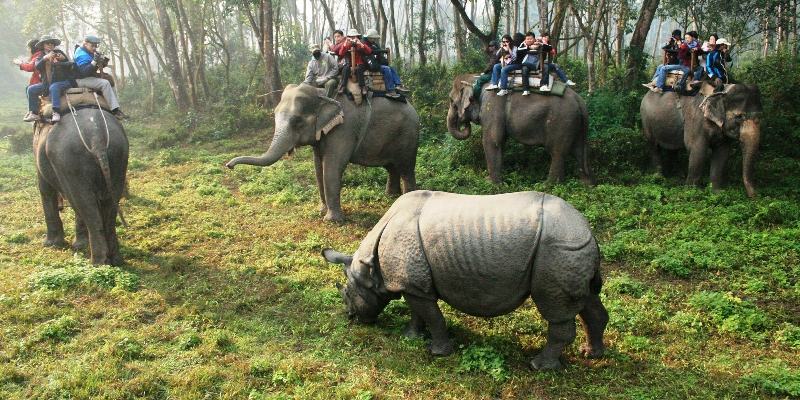
A UNESCO World Heritage Site since 1984, Chitwan protects habitat for Bengal tigers, one-horned rhinoceroses, leopards, gaurs, sloth bears, monkeys and several species of deer. The area is known for elephant safaris, visits to the elephant breeding centre and jungle walks. On the Rapti River, a boat ride offers a chance to see crocodiles along the banks. A Tharu cultural show is part of the stay in Chitwan.
Pokhara (पोखरा)
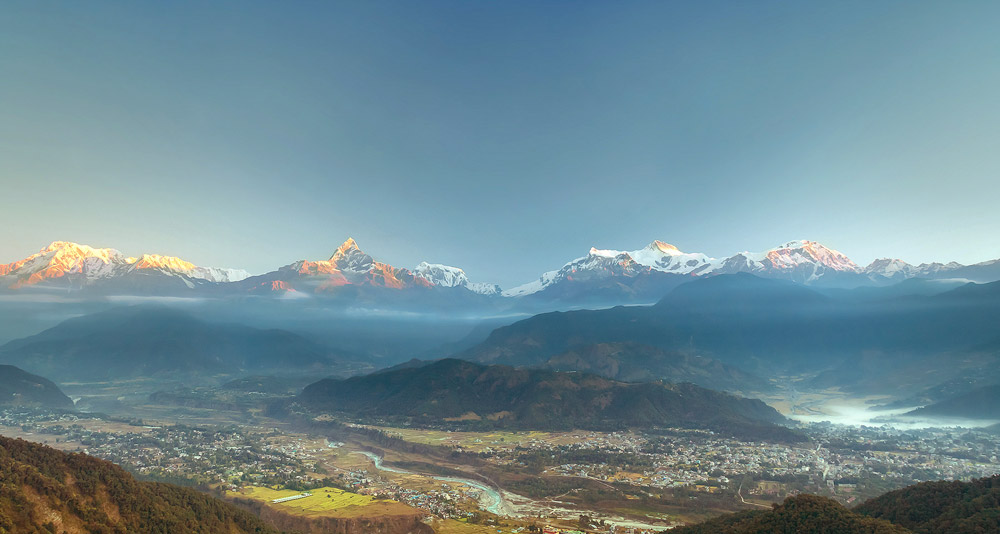
An optional early drive to Sarangkot offers sunrise views before breakfast at the hotel. Pokhara’s half-day sightseeing includes Bindhyabasini Temple, a Hindu pilgrimage site, and Devi’s Fall, locally called Patale Chhango. The waterfall lies about 2 km southwest of Pokhara Airport on the Siddhartha Highway. Opposite the falls is Gupteshwor Mahadev Cave, a sacred cave described as nearly 3 km long.
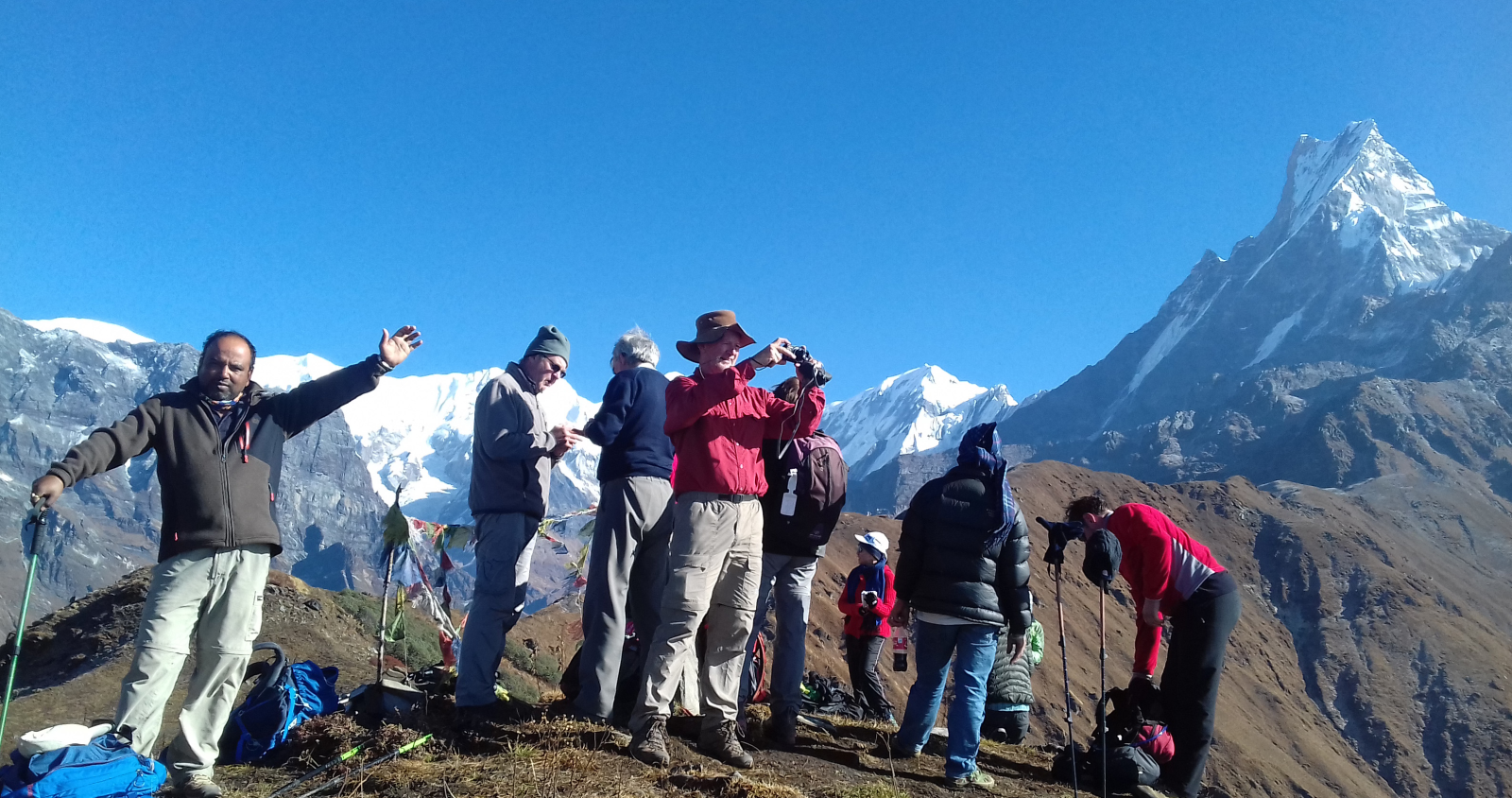
Phewa, Begnas and Rupa lakes form part of the valley landscape. Mountain views include Machhapuchhre (Fishtail), five Annapurna peaks, Dhaulagiri and Himchuli. Pokhara’s bazaars offer time to browse for souvenirs.
Lumbini (लुम्बिनी)
Lumbini, in Nepal’s Terai plains, is revered as the birthplace of the Buddha. This UNESCO World Heritage Site is important for both archaeology and pilgrimage, drawing more than 400,000 Buddhist and non-Buddhist visitors annually according to the tour overview. In the Sacred Garden, tradition dates the birth of Prince Siddhartha Gautama to 623 BCE. An inscription on the pillar erected by Emperor Ashoka during his pilgrimage in 249 BCE identifies the birthplace. The garden extends over 9 square kilometres. Pilgrims pray at Maya Devi Temple, where excavations uncovered the marker stone associated with the birth. South of the pillar is Puskarni Pond, where tradition holds that Queen Maya Devi bathed before giving birth and the infant Buddha received his first bath.