This 11-night, 12-day journey starts and ends in Delhi. Travel via Haridwar to the four Uttarakhand shrines: Yamunotri, Gangotri, Kedarnath and Badrinath.
Package prices per person
| Travelers | Standard | Deluxe |
|---|---|---|
| Nepali nationals | NPR 60,000 | NPR 75,000 |
| Indian nationals | INR 40,000 | INR 50,000 |
| NRIs and foreign nationals | USD 800 | USD 950 |
Background on the four pan-India Dhams
Puri — Jagannath Temple
Puri, one of eastern India’s oldest cities, stands on the Bay of Bengal in Odisha. At Jagannath Temple, Shri Krishna is worshipped as Lord Jagannath alongside his sister Subhadra and brother Balabhadra. The temple is described as about a thousand years old and its construction is associated with Raja Choda Ganga Deva and Raja Tritiya Ananga Bhima Deva. Puri is also the home of Govardhana Matha, one of the four cardinal institutions associated with Adi Shankaracharya.
Pandit Nilakantha Das proposed a Jain origin for Jagannath, linking the name to Jinanath and to the use of “Nath” in the names of Jain Tirthankaras. In this interpretation, Jagannath means “the world personified.” The term kaivalya, meaning liberation, and the temple’s twenty-two steps, the Baisi Pahacha, have also been interpreted in relation to Jain traditions and the first twenty-two Tirthankaras.
Annirudh Das associated the deity with the Jina of Kalinga taken to Magadha by Mahapadma Nanda. Supporters of this interpretation cite the Hathigumpha inscription and its reference to worship at Khandagiri–Udayagiri on Kumara Hill, which they connect with the shrine. Starza notes that a Jain text describes a restoration of the shrine by Jains, although the text’s date and authenticity are uncertain. Ratha Yatra is a special celebration of this Dham for the people of Odisha.
Rameswaram — Ramanathaswamy Temple
Rameswaram lies in the Gulf of Mannar in Tamil Nadu, near the southern tip of the Indian peninsula. According to tradition, Lord Rama, Lakshmana and Hanuman built Rama Setu here to reach Sri Lanka and rescue Sita from Ravana.
Ramanathaswamy Temple, dedicated to Lord Shiva, occupies a large part of Rameswaram and is believed to have been consecrated by Shri Rama. In Hindu pilgrimage tradition, a visit to Benaras is considered incomplete without a visit to Rameswaram. The presiding deity, Sri Ramanathaswamy, is worshipped as a linga and is revered as one of the twelve Jyotirlingas.
Dwarka — Dwarkadhish Temple
Dwarka lies in western Gujarat, where the Gomti River meets the Arabian Sea. This is a different river from the Gomti that flows into the Ganga. The city’s name comes from the Sanskrit word dvar, meaning a door or gateway. In tradition, Dwarka was the home of Lord Krishna. The sea is said to have submerged the city six times, making the present settlement the seventh.
Badrinath — Badrinath Temple
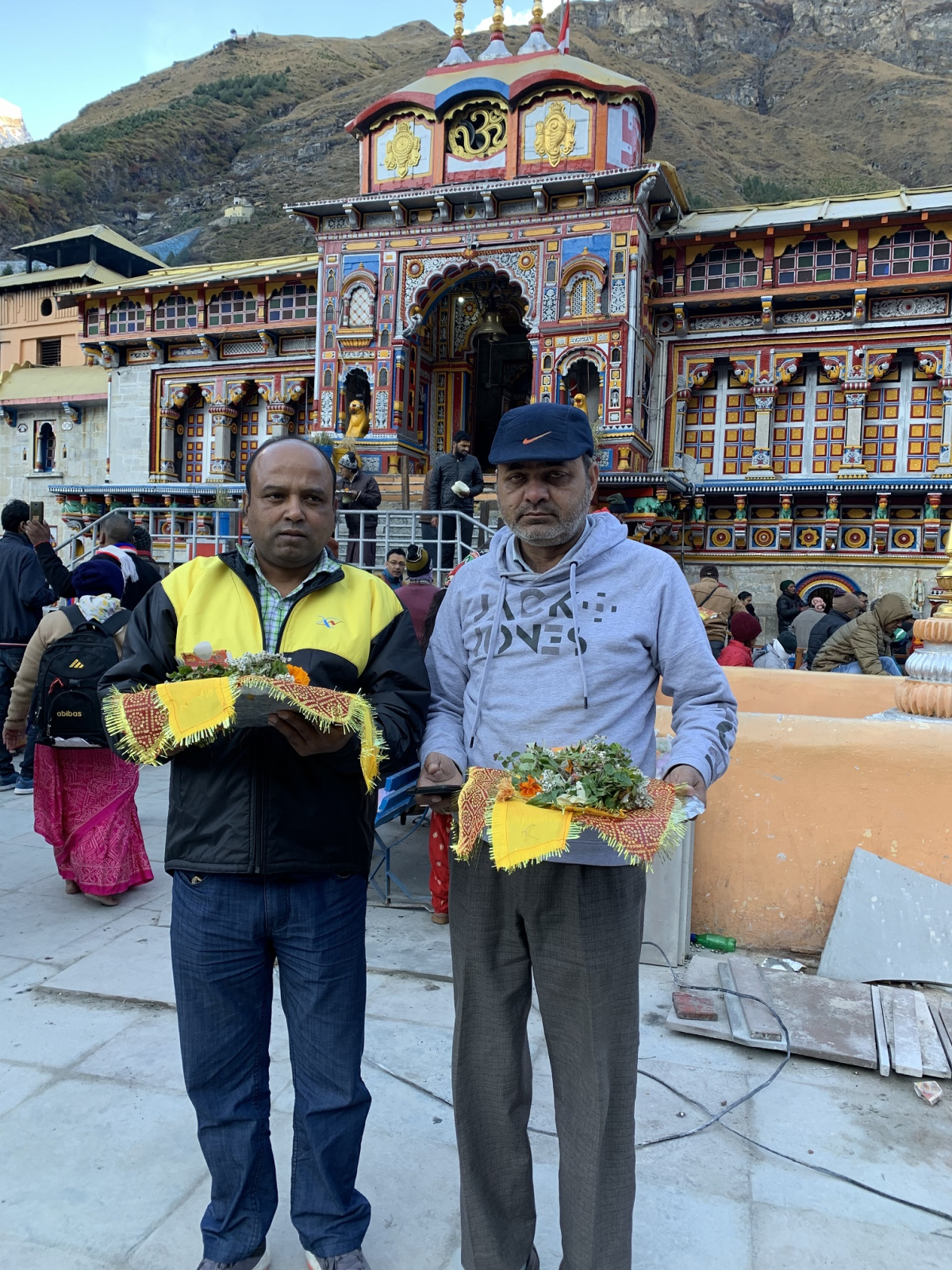
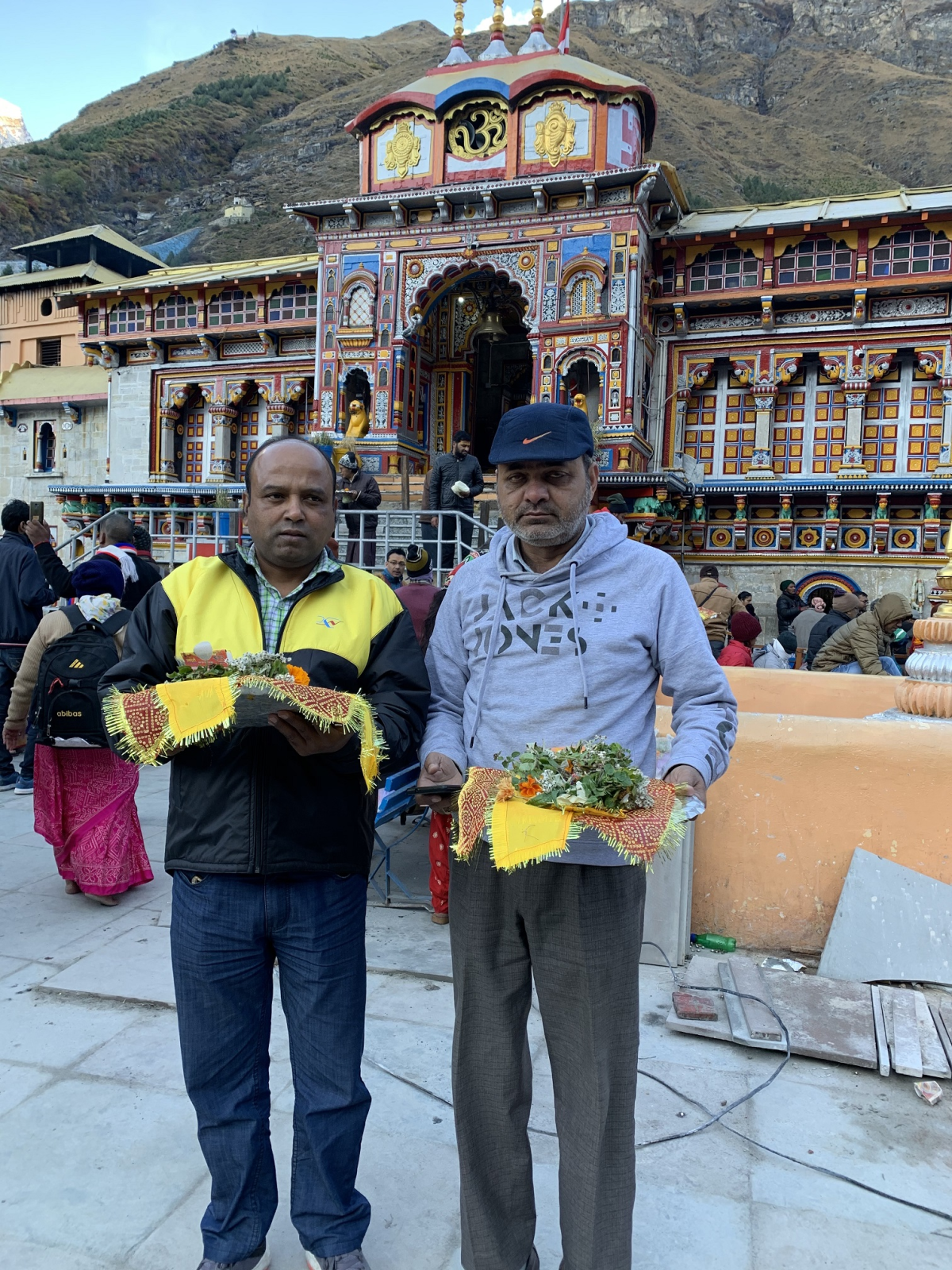
Badrinath stands on the Alaknanda River in Uttarakhand’s Garhwal hills, between the Nar and Narayana ranges and beneath Nilkantha Peak (6,560 m). Places associated with the area include Mana, Vyas Gufa, Mata Murti, Charan Paduka, Bhimkund and the mouth of the Saraswati River, described in the overview as lying within about 3 km of Badrinath.
Joshimath lies above the confluence of the Alaknanda and Dhauliganga. One of the four mathas established by Adi Shankaracharya, it serves as a winter seat associated with the pilgrimage. In contrast to the other three pan-India Dhams, Badrinath has a seasonal darshan period, described here as April to October.