Starting and ending in Kathmandu, this nine-night journey combines the temples of the Kathmandu Valley, wildlife activities in Chitwan, Buddhist pilgrimage sites in Lumbini and sightseeing in Pokhara.
| Hotel category | Indian nationals (INR) | USD price |
|---|---|---|
| 3-star deluxe | 45,000 | 1,100 |
| 5-star deluxe | 55,000 | 1,300 |
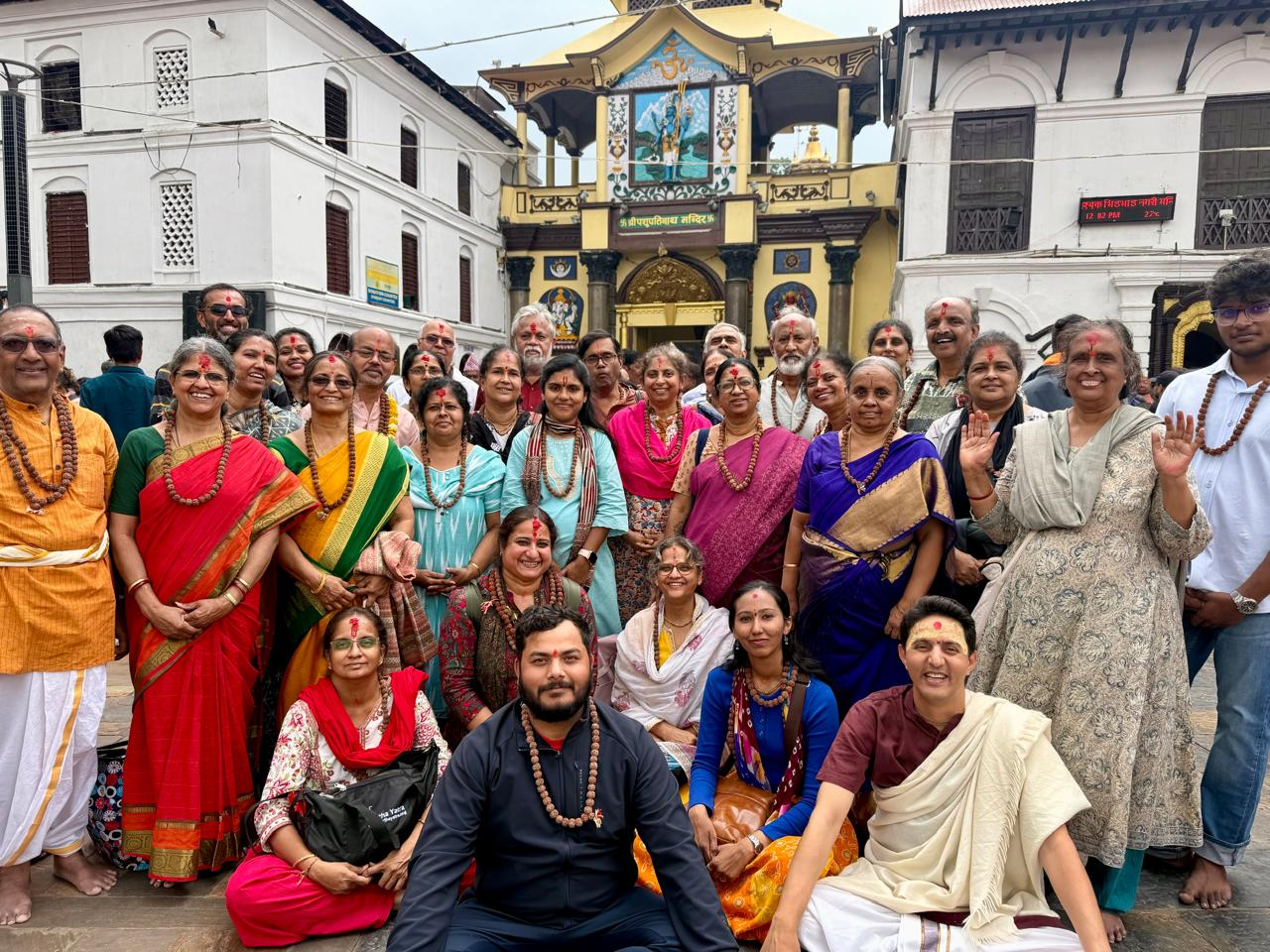
Pashupatinath Temple (पशुपतिनाथ मन्दिर)
About 5 km east of central Kathmandu, Pashupatinath is one of the most revered temples dedicated to Lord Shiva. Thousands of Hindu pilgrims and other visitors come each year. Its two-tiered pagoda has golden roofs and four silver doors enclosing the sacred linga of Shiva. Chronicles indicate that the temple existed before 400 CE. It is part of the Kathmandu Valley UNESCO World Heritage Site.
Swayambhunath Stupa (स्वयम्भूनाथ)
This Buddhist shrine stands on a hill about 3 km west of Kathmandu and overlooks the city. The 15th-century Swayambhu Purana tells of a lotus planted by a past Buddha in the lake that once covered the valley. The lotus blossomed and radiated light, drawing saints, sages and divinities seeking enlightenment. The name Swayambhu means “self-created” or “self-existent.” The hill is also home to Shantipur, the Palace of Peace. Swayambhunath belongs to the Kathmandu Valley UNESCO World Heritage Site.
Chandragiri Hills
Seven kilometres from Thankot, Chandragiri Hill rises to 2,551 m on the southwestern side of the Kathmandu Valley. The cable car climbs above green hillsides to views across the valley and along the Himalayan range from Annapurna to Everest.
Lumbini (लुम्बिनी)
Lumbini, in Nepal’s Terai plains, is revered as the birthplace of the Buddha. This UNESCO World Heritage Site is important for both archaeology and pilgrimage, drawing more than 400,000 Buddhist and non-Buddhist visitors annually according to the tour overview. In the Sacred Garden, tradition dates the birth of Prince Siddhartha Gautama to 623 BCE. An inscription on the pillar erected by Emperor Ashoka during his pilgrimage in 249 BCE identifies the birthplace. The garden extends over 9 square kilometres. Pilgrims pray at Maya Devi Temple, where excavations uncovered the marker stone associated with the birth. South of the pillar is Puskarni Pond, where tradition holds that Queen Maya Devi bathed before giving birth and the infant Buddha received his first bath.
Chitwan National Park
Inscribed as a World Heritage Site in 1984, Chitwan protects habitat for Bengal tigers, one-horned rhinoceroses, leopards, gaurs, sloth bears, monkeys and several species of deer. The stay includes an elephant safari, a visit to the elephant breeding centre and a jungle walk. A boat ride on the Rapti River offers a chance to spot crocodiles along the banks. The evening programme includes Tharu culture and dance.
Pokhara (पोखरा)
An optional early drive to Sarangkot offers sunrise views before returning to the hotel for breakfast. Pokhara’s half-day sightseeing includes Bindhyabasini Temple, a Hindu pilgrimage site, and Devi’s Fall, locally called Patale Chhango. The waterfall lies about 2 km southwest of Pokhara Airport on the Siddhartha Highway. Opposite the falls is Gupteshwor Mahadev, a sacred cave nearly 3 km long. Phewa, Begnas and Rupa lakes form part of the valley landscape. From the subtropical valley, mountain views include Machhapuchhre (Fishtail), five Annapurna peaks, Dhaulagiri and Himchuli. The colourful bazaars offer time to shop for souvenirs.